
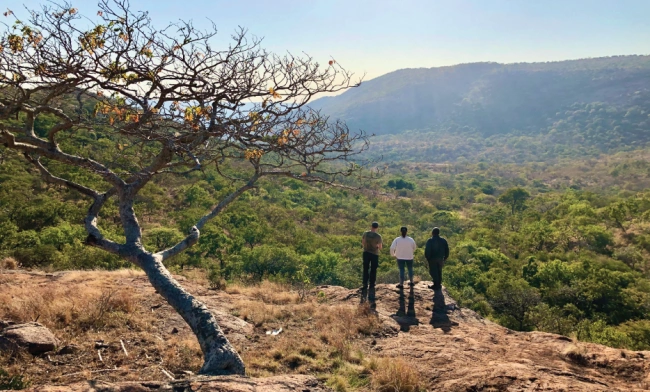
Rising gently along South Africa’s eastern border, the Lubombo Mountains form a narrow but dramatic ridge stretching from southern Mozambique through Eswatini into northern KwaZulu-Natal. Characterized by rolling sandstone cliffs, deep valleys, and verdant grasslands, the Lubombo range offers a quiet, unspoiled landscape rich in biodiversity. The mountains act as a natural boundary between the lowveld plains and the coastal forests, creating unique microclimates that support a variety…
Rising gently along South Africa’s eastern border, the Lubombo Mountains form a narrow but dramatic ridge stretching from southern Mozambique through Eswatini into northern KwaZulu-Natal. Characterized by rolling sandstone cliffs, deep valleys, and verdant grasslands, the Lubombo range offers a quiet, unspoiled landscape rich in biodiversity. The mountains act as a natural boundary between the lowveld plains and the coastal forests, creating unique microclimates that support a variety of flora and fauna, including rare bird species and endemic plants. With sweeping views over the surrounding savannah and distant lowlands, Lubombo Mountain is a haven for hikers, nature enthusiasts, and eco-adventurers seeking both solitude and panoramic scenery. Its geological formations reveal millions of years of Earth’s history, while its slopes host trails leading to hidden waterfalls and lookout points. For anyone exploring South Africa’s lesser-known adventure destinations, Lubombo Mountain combines tranquility, natural beauty, and a sense of discovery that lingers long after the visit.


 Review